Story of the castle
The history of Edinburgh Castle
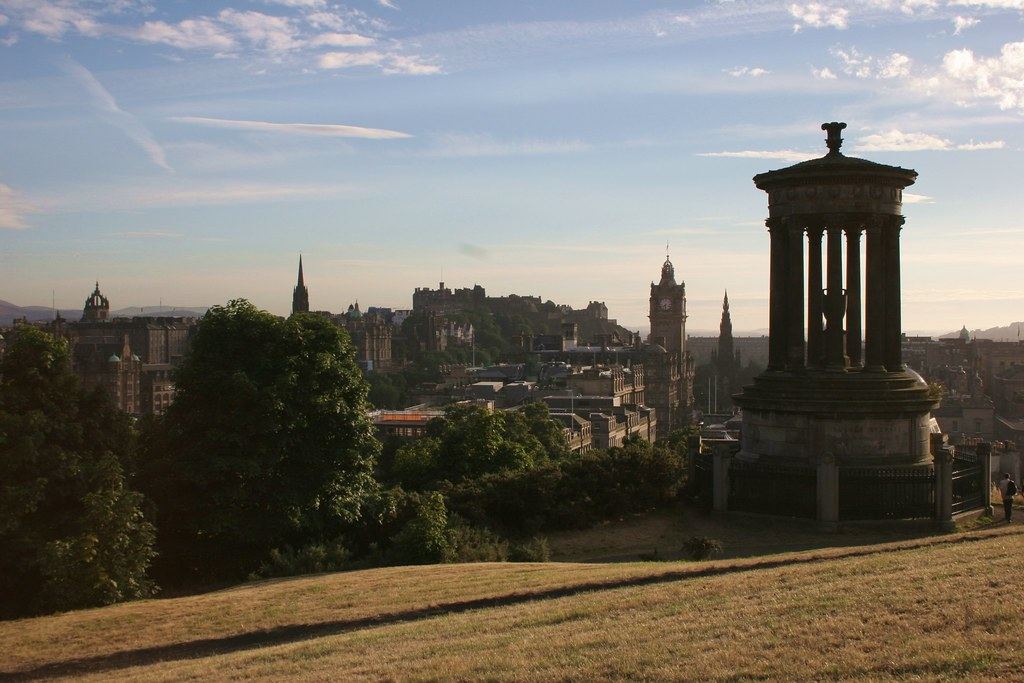
Castle Rock has been home to people for at least 3,000 years. What began as an Iron Age hillfort became one of Britain's most besieged strongholds — attacked 26 times in its long history — and is today a living monument to Scottish identity.
Iron Age beginnings
Archaeologists have found evidence of settlement on Castle Rock going back to the late Bronze Age. Its steep sides and single point of access made it the natural home for a fortified community.
A royal residence
By the 12th century the castle was a favourite home of Scotland's kings. St Margaret's Chapel, built by King David I in memory of his mother, is the oldest surviving building — dating from around 1130.
Wars of Independence
During the Wars of Scottish Independence the castle changed hands repeatedly. Robert the Bruce ordered it destroyed in 1314 after a daring night-time raid to prevent the English using it again.
The birthplace of a king
In 1566 Mary, Queen of Scots gave birth to the future James VI of Scotland (and I of England) inside the tiny royal apartments — a moment that would eventually unite the crowns of Scotland and England.
Garrison and prison
From the 17th to the 19th century the castle served as a military garrison and a prison of war, holding French, American and Spanish captives whose graffiti still survives on cell doors today.
A modern icon
Today Edinburgh Castle is Scotland's most-visited paid attraction, welcoming more than 2 million visitors a year. It remains an active military site and is home to the world-famous Royal Edinburgh Military Tattoo each August.